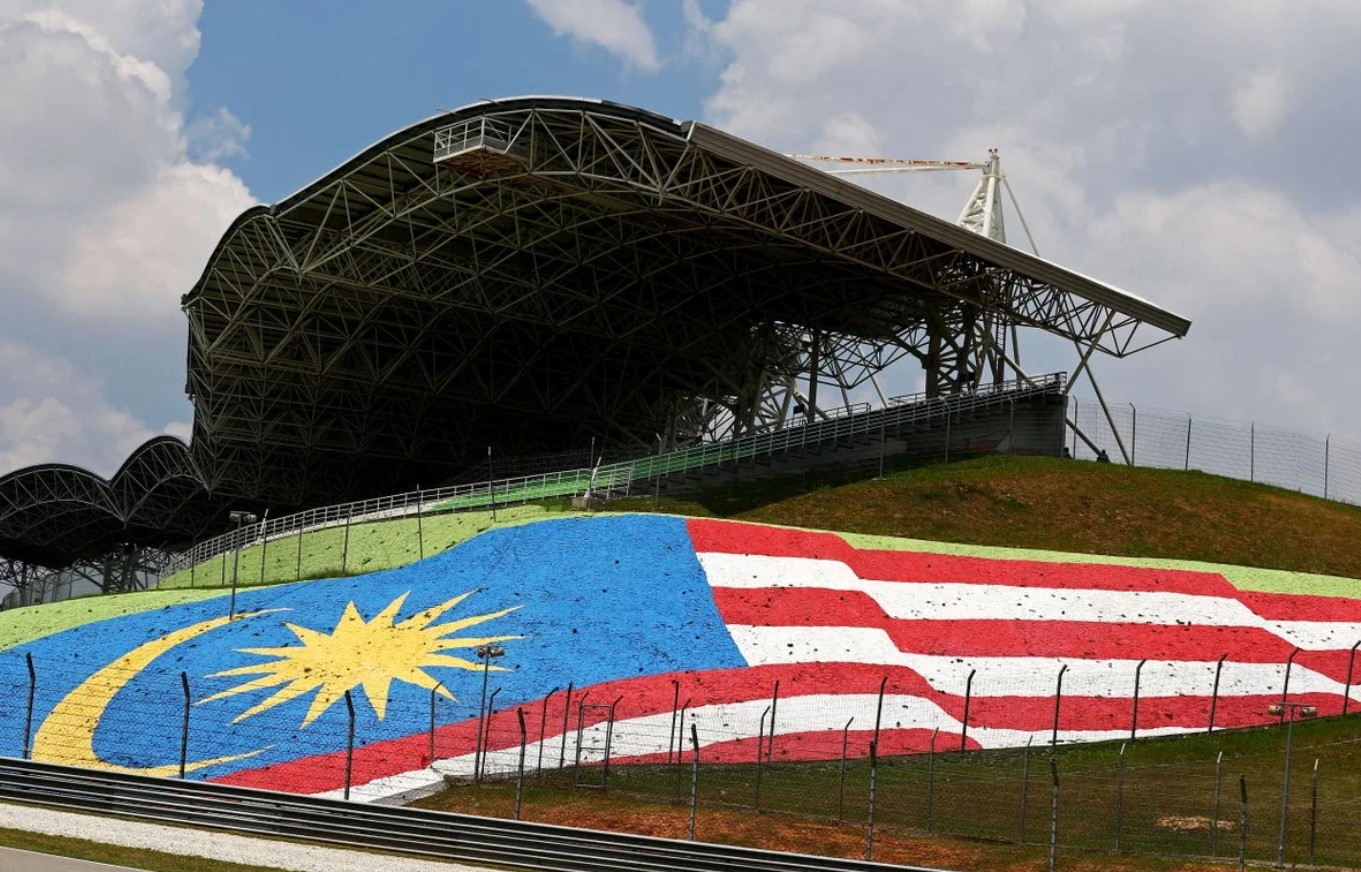
The Gulf Air Bahrain Grand Prix will be held in Malaysia this year at the Sepang International Circuit from October 2 to 4, 2026, instead of its usual home in Sakhir. Despite being staged in Malaysia, the event will still carry the Bahrain Grand Prix name and Gulf Air sponsorship. The Bahrain Grand Prix was originally scheduled for April as an early-season race. Due to conflict in the Middle East involving the United States, Israel and Iran raised serious safety concerns around events in Bahrain and Saudi Arabia. Formula 1 cancelled both races in March.
There were later discussions about bringing the Bahrain race back in October, but the continuing tensions in the region meant that returning to Sakhir was not considered possible. For Formula 1, losing two races also created financial and logistical problems. Broadcasters and teams have agreements based around a full calendar, while the sport also has to consider the considerable costs involved when races are removed or replaced. That left F1 looking for a venue that could step in without causing major disruption to the rest of the season.
Why Malaysia is hosting the 2026 Bahrain Grand Prix
Sepang was a logical option due to many factors. The circuit has not hosted a Formula 1 race since 2017, but it has continued to operate and remains a regular venue for other major racing events, including MotoGP. Its position on the 2026 calendar was another major factor. The race comes between the Azerbaijan Grand Prix and the Singapore Grand Prix. With Sepang relatively close to Singapore, teams can move equipment and personnel between the races without the kind of long-distance travel that would have been required for another replacement venue.
Malaysia’s previous departure from the F1 calendar was linked to the rising cost of hosting the race and weaker attendance. The fees involved had become difficult to justify. In 2026 the financial arrangement was different and was agreed.
Bahrain keeps the name and pays for the event
Bahrain’s organisers, who are backed by Crown Prince Salman bin Hamad Al Khalifa, wanted to keep their Grand Prix on the Formula 1 calendar. Bahrain remains the promoter and covers a large part of the costs, including the sanctioning fee. That allows the event to retain its Bahrain Grand Prix identity and Gulf Air sponsorship, while Malaysia provides Sepang, the infrastructure and the operational support needed to stage the weekend without taking on the full financial burden of a normal F1 hosting agreement.
The arrangement was also helped by the close diplomatic relationship between the two countries, including relations between their respective royal families and governments. Officials on both sides presented the deal as a practical way of preserving the race while giving Malaysia the opportunity to bring Formula 1 back to Sepang.
What each side gets from the deal
Formula 1 will get to keep the calendar close to its planned length without sending teams back into a region where safety concerns remain. For Bahrain, the arrangement means its Grand Prix identity and commercial presence remain part of the F1 season despite the race being unable to take place at home.
Malaysia gets the global exposure that comes with hosting Formula 1, along with potential tourism benefits and another opportunity to showcase Sepang. It can do so without carrying the full cost of a traditional F1 hosting deal. This is a one-off arrangement for 2026 rather than a confirmed permanent return for Malaysia.