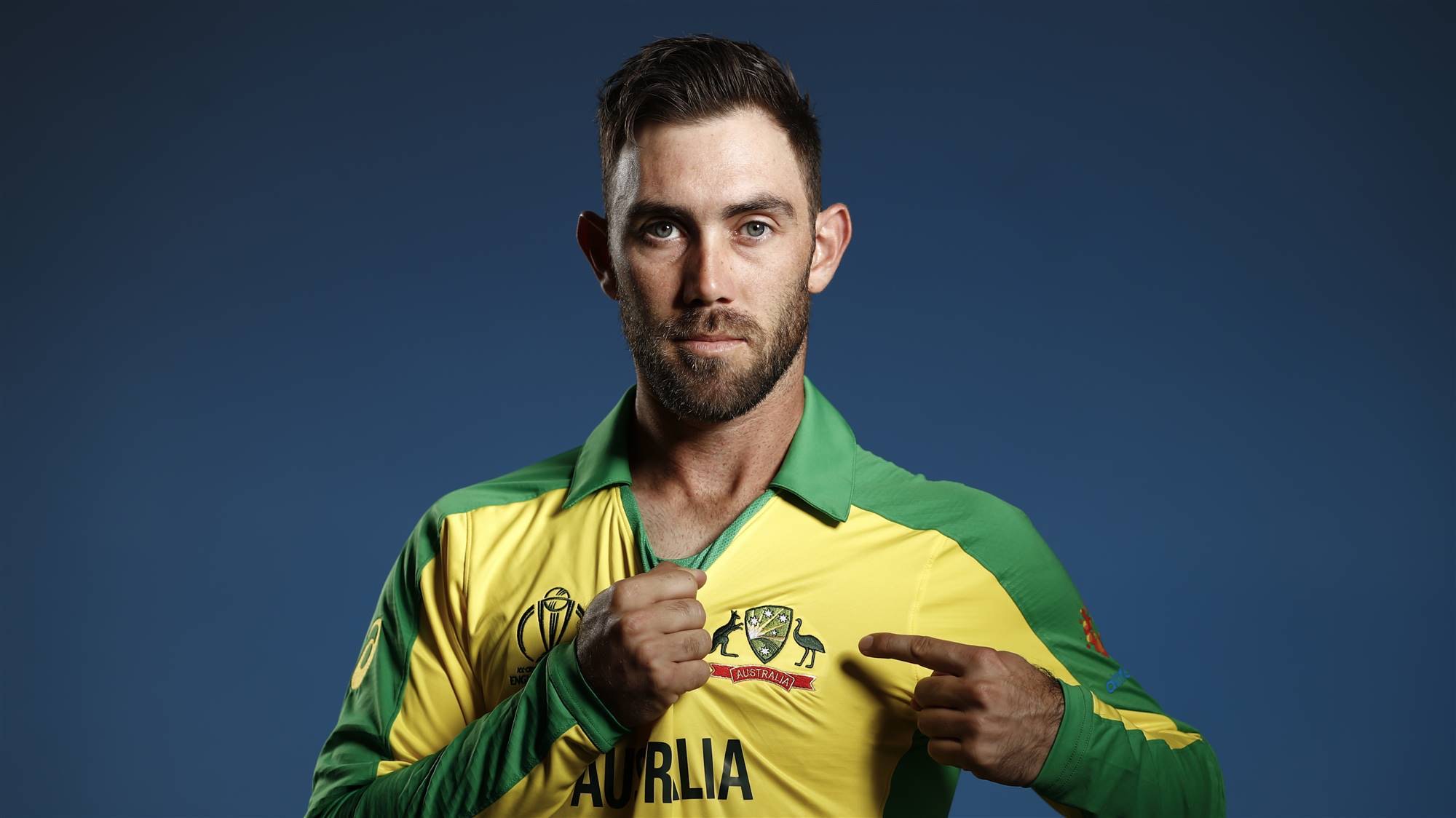
There comes a point in physical exhaustion when the body starts to negotiate the terms of its surrender. The legs refuse another stride, the back protests another movement, and even the most resolute of minds must concede that desire alone cannot keep the machinery running. On a November night in Mumbai, Glenn Maxwell arrived at that very crossroads with Australia’s World Cup campaign in his hands.
He could barely run. There were still runs to get. Quite a lot of them.
What followed was an exhibition that left the cricketing world struggling to decide which was more outrageous – the shots being played or the fact that the man playing them could hardly move. Maxwell stood at the crease and sent the ball to places that fully functioning batsmen would have struggled to locate. The feet had largely abandoned their duties. The hands, thankfully for Australia, had other ideas.
As the Victorian draws curtains on his international career at 38, the familiar questions have returned. Could he have been more consistent? Could Australia have extracted more from his red-ball talent? Perhaps. But there is something peculiar about looking at a three-time World Cup winner and allowing the career he might have had to overshadow the one he actually gave us.
Maxwell’s batting was an invitation to abandon the comfort of knowing what came next. A field set for a right-hander could become redundant halfway through the bowler’s approach. A delivery outside off stump could find itself dispatched somewhere behind square on the other side. Captains moved their men around like pieces on a chessboard, only to discover that the bloke holding the bat was rather fond of inventing another square. Mind you, there was method beneath the mayhem. His hand speed and ability to manufacture angles made shots that looked preposterous from the couch entirely viable at the crease.
The reverse hit that brought a stadium to its feet one evening could become evidence of irresponsibility the next. There were poor decisions, certainly. But we wanted the audacity when it worked and a different batsman altogether when it didn’t.
The returns, when they came, were gargantuan. At the SCG during the 2015 World Cup, Sri Lanka watched him race to his maiden ODI hundred in 51 balls. A year later at Pallekele, he opened the batting and remained unbeaten on 145 from 65 deliveries as Australia piled up 263.
The Ranchi test in 2017 offered a different revelation. Australia were 140 for four when Maxwell joined Steve Smith. Against an Indian attack in its own backyard, the supposed merchant of cricketing bedlam settled into a patient examination of his technique and temperament. He reached his hundred from 180 deliveries and finished with 104, embracing Smith after a milestone that meant plenty to a man so often introduced through his shortest-format exploits.
Here was evidence that he could occupy the crease and absorb pressure. It makes seven Tests, all in the subcontinent, a difficult number to look past. Whether a longer run would have produced a distinguished Test career we will never know. The opportunity to find out was painfully brief.
Maxwell could alter a game without picking up his bat, too. In Abu Dhabi in 2014, Pakistan needed two runs from the final over with two wickets intact. He bowled a double-wicket maiden, snatching victory from a position where most captains would have been preparing their explanations. In the 2023 World Cup final, his bowling drew the stroke from Rohit Sharma which Travis Head turned into a magnificent catch.
But Mumbai was where those years of invention found their most extraordinary expression.
At the Wankhede, Afghanistan had Australia reeling at 91 for seven, chasing 292 with a semi-final berth on the line. Dropped on 33, Maxwell soon lay writhing with cramps, Adam Zampa waiting near the boundary. But he stayed. Barely moving his feet, he plundered an unbeaten 201 off 128 balls, even reverse-hitting a six over third man. Cummins contributed 12 from 68 deliveries, wisely leaving the fireworks to his partner. Their unbroken stand of 202 carried Australia home with 19 balls remaining. It was audacity. It was artistry. It was a flat refusal to obey physiology. Cummins called it the greatest ODI innings ever. Few who watched would have argued otherwise.
His departure has been quieter than his batting. There was hope of a farewell at the MCG, but Australia’s plans had moved towards younger players. His last outing came against Oman, when he was not required to bat. A player who could make an entire ground anticipate his arrival had made his final exit before the occasion was recognised as such.
Franchise cricket will continue, but the Australian chapter closes with 3,990 ODI runs at a strike rate of 126.7, five T20I hundreds and centuries in all three formats. Add the three World Cup triumphs and a substantial legacy hardly requires charity.
Cricket runs on a quiet agreement between talent and probability. Captains set their fields, analysts calculate their match-ups, and batsmen learn which risks are worth taking. Then, once in a blue moon, someone like Glenn Maxwell strolls out and treats the entire arrangement as a polite suggestion. There would be days when it cost him his wicket and others when it left the opposition wondering what more they could possibly have done. We spent much of his career wishing the distance between those days was shorter. Now that he is leaving, perhaps we can appreciate what it meant to have either.
But perhaps what defines Glenn Maxwell’s legacy is not any single innings, however giddying. In an era of analytics, match-ups and meticulously planned percentages, he was the firework no spreadsheet could schedule, a reminder that this game, for all its science, is meant to be a spectacle. Cricket will produce more finishers and plenty more sixes. It may take considerably longer to produce another man whose presence at the crease made writing Australia off feel quite so premature.