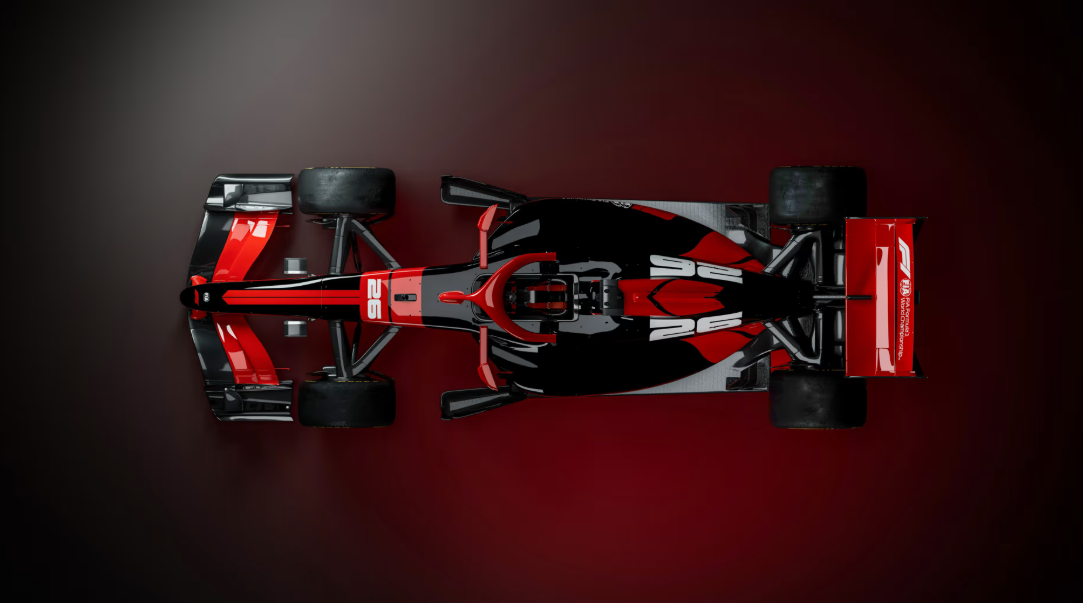
Formula One’s new active aero system will be inactive throughout the Monaco Grand Prix following the FIA’s ruling that the track does not satisfy the safety and performance requirements to utilize such a system. The primary reason behind the decision relates to the FIA’s “three-second rule”, according to which each zone for activation in straight mode must last longer than three seconds. This proved impossible in view of Monaco’s track layout and quick transitions between turns. This represents the first Grand Prix in the 2026 F1 season where no active aero will be available due to concerns about increased entry speeds and potentially dangerous driving conditions.
Starting the 2026 Formula One season, each car will have two aerodynamic components – the front wing and the rear one, both capable of adjusting based on their position on the track. Specifically, these devices were made mobile with the aim to flatten the wings on the straight parts of the track to decrease drag and then return to a maximum downforce setting while approaching corners.
FIA sets strict safety checks for straight mode
In terms of the FIA’s priority, the focus was on stability. Straight mode may be used only where cars are not under significant loads due to braking, accelerating or cornering. It is difficult to come across such places in Monaco. Drivers frequently change from one situation to another – slow corners, grip areas or places of heavy braking throughout the circuit. Changing wings in such circumstances was likely to create instability in the cars.
Also Read | Why Audi is now key to Max Verstappen’s F1 future
The other important criterion adopted by the FIA was that the minimum time for activation should exceed three seconds. It is believed that deploying the system within a shorter time creates more load on drivers without providing any advantages in performance or energy savings. However, this criterion was not satisfied by the track of Monaco either. Concerns related to safety were also a key reason for this ban. Straight mode reduces drag by up to 20%, which means that speed is improved by 20 km/h.
Overtake system still available in Monaco
Although straight mode has been removed, drivers will still use Formula 1’s new overtaking system during the weekend. Under the 2026 rules, overtaking support now comes mainly from extra electrical power rather than wing adjustments. Drivers receive additional energy when running within one second of the car ahead at a designated activation point.
For Monaco, the detection point has been placed before Rascasse, with activation occurring on the run towards the final corner. This keeps an attacking tool in play without adding the risks linked to active aero deployment. Unlike the old DRS system, which mainly aimed to improve overtaking, straight mode was developed to reduce drag and improve energy efficiency. Monaco’s limited straights meant the gains were small, while the safety concerns remained high.