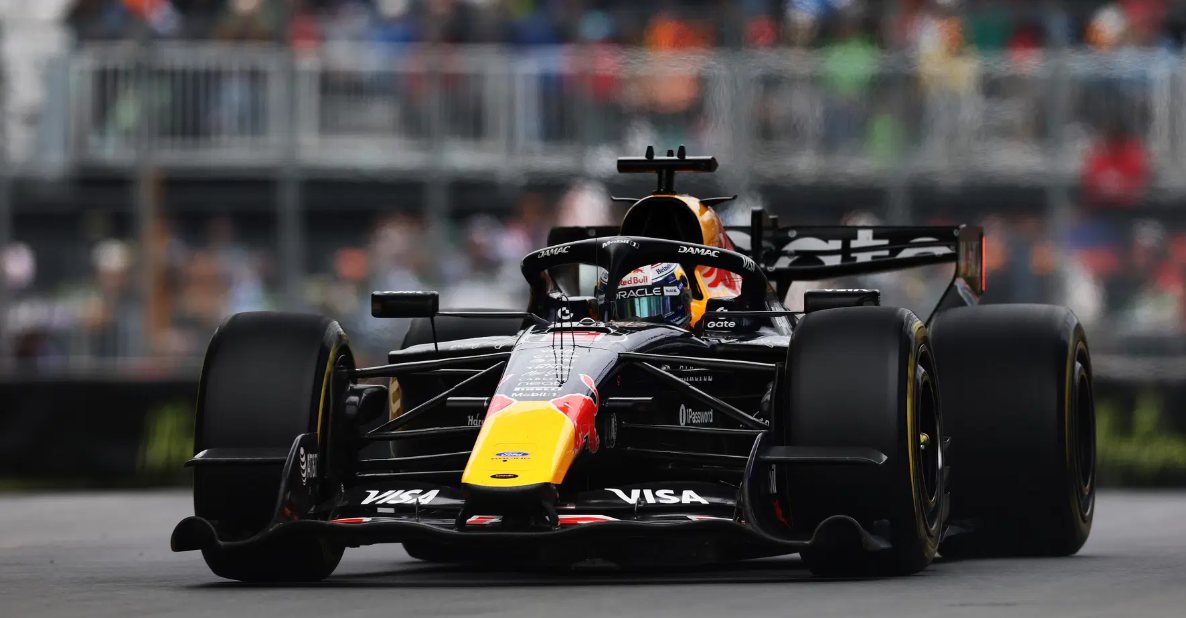
Now, Formula 1 faces a significant political showdown where the fate of Audi has become entwined with that of Max Verstappen. The quadruple world champion has warned that he may abandon the series if the regulations for the period starting from 2027 remain the same. According to Verstappen, the current approach to developing the power unit places too much emphasis on the efficiency of energy consumption and deprives driving of any excitement. Verstappen’s threat put FIA and Formula 1 under pressure to reach agreements with the manufacturers of car engines, which makes Audi’s decision on choosing a power unit a matter of life and death for the sport.
In particular, the FIA wants to discuss the possibility of switching from the planned formula with equal distribution of electric and combustion power units, 50/50, to a ratio of 60/40 from 2027. Mercedes and Red Bull are in favor of such change. Ferrari and Cadillac oppose. Honda remains undecided. Therefore, Audi becomes the decisive vote in this crucial fight. The reason why the FIA needs an immediate decision is the fact that teams have to start developing their new projects in 2027.
Early Support for Change Starts Falling Apart
At the beginning, it seemed like various teams were willing to look into changing the 2027 engine regulations. Verstappen himself thought that things were starting to make progress following the discussions in Miami that seemed to be heading toward a wider consensus. Nevertheless, this spirit of cooperation did not last long during the Canadian Grand Prix weekend when everyone started to protect their interests. Ferrari needed to retain its ADUO regulation, which would allow it to catch up with Mercedes. Cadillac supported this point of view. Consequently, no proposals by the FIA reached a vote stage.
Furthermore, Verstappen himself publicly complained about the excessive energy management during races and qualifying. His remarks, according to people surrounding him, were legitimate and did not represent a political move.
Audi Becomes the Deciding Vote
The FIA requires four out of six engines to give its approval for any modification in 2027. As of now, both Mercedes and Red Bull have endorsed the suggestion, whereas Ferrari and Cadillac are still opposed to it. Honda is yet undecided. This means that Audi is now left in between. All the concerns raised by Audi pertain to its finances as the brand is about to enter into its first ever season in Formula 1. Redesigning their engines for 2027 may require an additional expenditure of at least $10 million.
Unlike Ferrari, Audi is not concerned about restricting any other competitor from using these new modifications. Rather it is worried about money and time. Thus, Audi has become the most pragmatic candidate to reach out to during the negotiations.
FIA Faces Growing Time Pressure
It’s an issue that is gaining in urgency. Teams and manufacturers need to finalize their development strategy for 2027, and delays will affect years of engineering plans. It was this urgency that made the head of single-seater affairs for the FIA, Nikolas Tombazis, meet the manufacturers during the Canadian Grand Prix weekend in search of consensus. The FIA is not aiming for unanimity anymore – what they aim to do is achieve a supermajority of four votes, enough to approve the rule changes.
Honda might prove crucial to this. According to sources, Honda would agree to the modifications if Audi was on board first. This would result in a majority vote that Ferrari and Cadillac would have no choice but to accept.
Political Risks Could Change the Grid
However, should Audi and Honda support the proposed idea, Formula 1 may suffer some serious political consequences. Ferrari may strongly object to the move that could harm its own plans to recover through ADUO, while Cadillac may challenge the procedure. Nevertheless, it seems that the FIA and Formula 1 will take the risk. Otherwise, having Verstappen leave the championship may turn out to be an even greater issue. This opinion was shared by the CEO of Red Bull, Laurent Mekies, who stated that teams would sooner or later choose the interests of Formula 1 rather than competitiveness.
Now Audi’s decision becomes crucial for not only engine development but also Verstappen’s future in Formula 1, new regulations in 2027, and the entry of the championship into the next era.