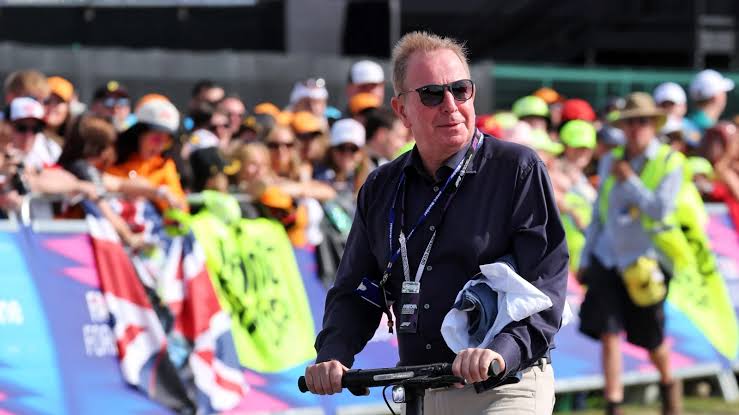
Martin Brundle is calling for Formula 1 to rethink its current technical path, insisting that the sport should roll out a fresh set of regulations “as soon as possible.” The former F1 driver and Sky Sports commentator feels that the 2026 rules have altered the essence of racing, particularly at renowned high-speed tracks. After his visits to Silverstone and Spa-Francorchamps, Brundle raised concerns about how the latest cars are performing at these two legendary venues. His remarks come even as the FIA has already announced changes aimed at decreasing the cars’ dependence on electrical power.
Brundle said, “I’ve got a bit of a tear in my eye, because we’ve lost all the great corners at Silverstone and here we are at Spa with the same situation. These new regulations hurt us on the high-speed circuits.”
According to him, the current rules hurt racing on fast circuits, and while updates are planned for 2027 and 2028, Formula 1 should replace the present concept entirely by 2030 or 2031.
Why Martin Brundle Believes the Current Concept Must Change
The main issue at hand is the 2026 power unit regulations, which have created a more balanced approach between electrical energy and the internal combustion engine. With a 50-50 split, drivers are now spending more time managing how they harvest and deploy battery power, rather than just going all out for speed on the track. This shift has been especially evident at iconic circuits like Silverstone and Spa-Francorchamps, where drivers can no longer take certain corners at full throttle because they need to conserve or recover energy.
In response to these concerns, the FIA has already given the green light for some changes in the upcoming seasons. Starting in 2027, the engine formula will adjust to a 58% internal combustion engine and 42% electric split, and then further shift to 60% ICE and 40% electric in 2028 to lessen the reliance on electrical power. During the Belgian Grand Prix weekend, Williams team principal James Vowles also mentioned that aerodynamic updates are on the horizon. These updates will impact the bib, rear wing, and parts of the floor, representing another step towards enhancing car performance. However, Brundle feels that these changes only tackle part of the issue. While he noted that the 2026 cars still appear fast and create thrilling wheel-to-wheel action, he believes Formula 1 should consider a new technical direction when the next major regulation cycle kicks off around 2030 or 2031, aiming to revive a racing style that aligns better with the sport’s fastest tracks.