The Indian Premier League has finally reached its concluding phase, but the focus is no longer on the sport. Rather, a sudden shift has occurred in focus, and this time it is about technology. The Board of Control for Cricket in India (BCCI) has banned the use of smart goggles among players, their support staff, and officials within restricted IPL areas because of the threat they posed in terms of communication and surveillance. The ban was issued by the BCCI’s Anti-Corruption and Security Unit (ACSU) since these wearables can be used for live video streaming, making calls and sending messages along with Wi-Fi and mobile network connections. Since IPL 2026 has already faced some code of conduct violations, this measure has been implemented to ensure the security of the event.
According to BCCI’s Anti-Corruption and Security Unit (ACSU), “Under the PMOA Minimum Standards, such goggles/glasses are classified both as an ‘Audio/Video Recording Device’ and a ‘Communication Device.. “It is hereby notified that the possession and/or use of ‘Smart Goggles’ is strictly prohibited within the Players and Match Officials Area (PMOA).”
Accordingly, the restrictions will apply to all Players and Match Officials Areas (PMOA) within match days. The use of smart goggles has been considered as communication and recording equipment under the IPL operational guidelines. Teams will be required to submit their smart goggles prior to entering the restricted area of IPL 2026.
Virat Kohli’s Smart Glasses Campaign
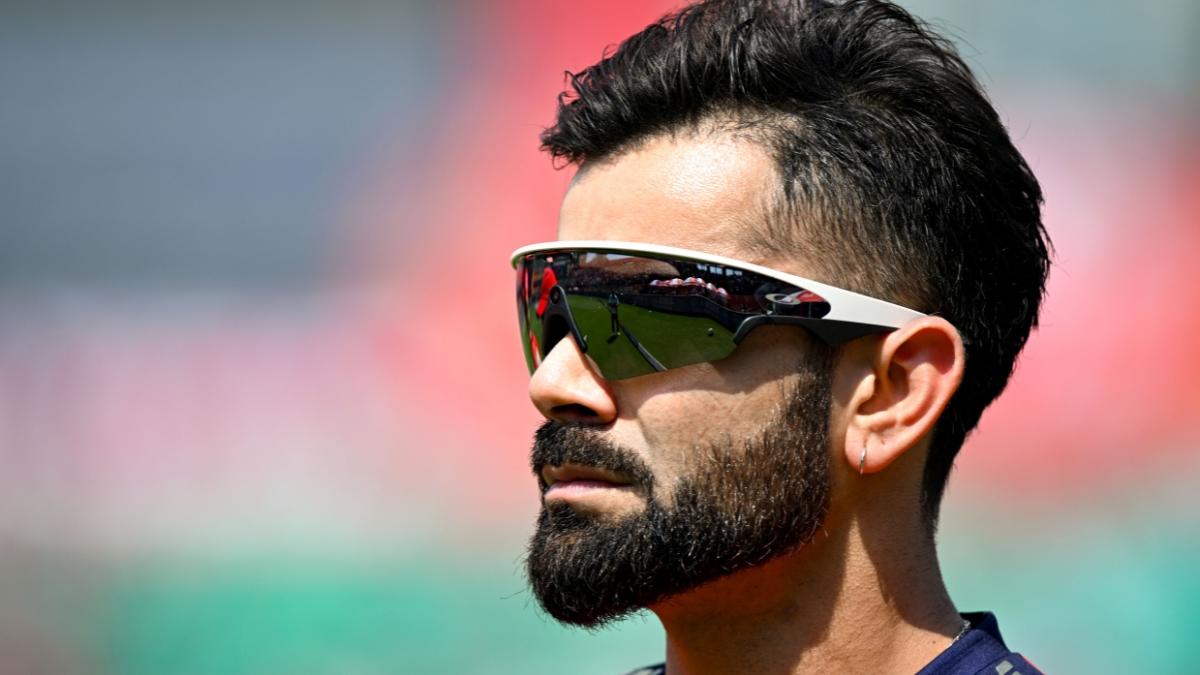
The decision gained wider attention because it arrived shortly after Virat Kohli promoted AI-powered smart glasses in India. Kohli recently partnered with Oakley and Meta for the launch of wearable smart eyewear. The campaign generated massive traction online, reportedly crossing one billion views and collecting nearly 5.3 million likes. During IPL practice sessions, Kohli was also seen wearing the glasses. However, the BCCI advisory did not target any individual player or brand. Instead, officials focused on the broader risk linked to wearable communication devices entering sensitive match environments.
How Do These Smartglasses Function?
Smart glasses operate like compact smartphones fitted into regular eyewear. They allow users to make calls, send messages, record videos and even live-stream content without holding a phone. Some models include open-ear speakers, voice command systems and internet connectivity through Wi-Fi or mobile data. Users can also listen to navigation instructions, music or incoming calls while staying aware of surrounding sounds. According to the BCCI, these features create a serious challenge in tightly monitored IPL zones because communication and recording devices are already restricted under anti-corruption rules.
Recent Incidents In IPL 2026 Increased Concerns
This ban comes after several incidents that had sparked concern in the IPL environment in the current season. Previously, Romi Bhinder, the manager of Rajasthan Royals, received a fine of Rs 1 lakh for using his mobile phone within the dugout area of the field. At the same time, the players and team members had been informed to avoid any unauthorized contact and code of conduct breaches. It had been reported that there had been heightened surveillance by ACSU in the lobbies of hotels amid the tournament.
Strict Rules for IPL Players And Staff Members
As per the new set of rules, the players and supporting staff should hand over smart glasses apart from mobiles and smart watches to the Security Liaison Officer prior to entry into the PMOA. BCCI has said that non-depositing of these devices would constitute a breach of the IPL protocols directly. Furthermore, teams are advised to strictly monitor their temporary staff, net bowlers, and logistics staff members working within restricted areas. In addition to the ban on smart glasses, the Board has also imposed travel restrictions and other stringent measures for the last phase of IPL 2026.