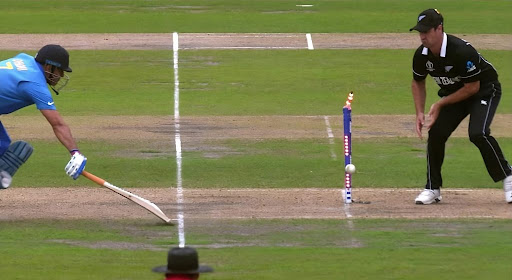
A fraction of a second could decide the fate of an innings. In the game of cricket, run-outs remain one of the quickest methods to send a batsman back to the pavilion. This occurs whenever a batsman is outside his crease, and the other team manages to knock down the wickets using the ball while he is still out. No need for any great hit or bowling prowess; rather, it’s all about agility, alertness, and accuracy. Run-outs often arrive suddenly and can change the flow of a match in moments.
Timing and positioning form the essence of a run-out. The batter needs to have at least part of his body or bat touching the ground beyond the crease line at the time the wickets are demolished. In case of failure, the batter is declared out. For fielders, fast throwing skills play a key role. Even a small misjudgment can decide the outcome.
When Can a Run-Out Occur?
The run-out may occur at any time when the batsmen make an attempt for runs. It is quite often observed during fast singles or dangerous attempts on the second run. The run-out may also occur after a bad fielding performance, where the batsmen try to take extra run. Additionally, the non-striker can be dismissed if caught out of the crease while backing up.
Also Read | Most successful overseas players in PSL
Key Elements of the Run Out Rules in Cricket
These are the three criteria for a run-out. The first is that the crease is the safe area. The second is that the wicket must be broken using the ball. Finally, it is important to note that the position of the batsman at that precise time is what matters. Grounding the bat behind the line is enough to survive. Umpires judge this with close attention.
The Role of Technology in Run Out Decisions
Nowadays, replay technology is used in cricket in order to make difficult decisions. The use of slow motion allows one to determine the time at which the batsman’s bat passes over the crease and the time of the stumps being broken. This reduces errors and ensures fair decisions, especially in close situations.
The Role of Fielders in Run Outs
Run-outs are performed by the fielders using their speed and precision. It is crucial that they collect the ball accurately and throw it quickly. There will be more chances of success since there will be less time for the batsman to react. Backup support from other fielders ensures no second chance if the throw misses.
How Does It Alter The Game?
Run-outs can change the flow of the game instantly. When you dismiss an important batsman, you put pressure on the batting team. At the same time, it raises the morale of your team. Usually, after one run-out, the other team might make more errors.
Conclusion
Run outs are easy to understand in rules but difficult to perform. It requires alertness, accuracy, and coordination. For the batter, it comes down to being careful. For the fielder, it requires quick reactions. In crucial games, this one play makes all the difference.