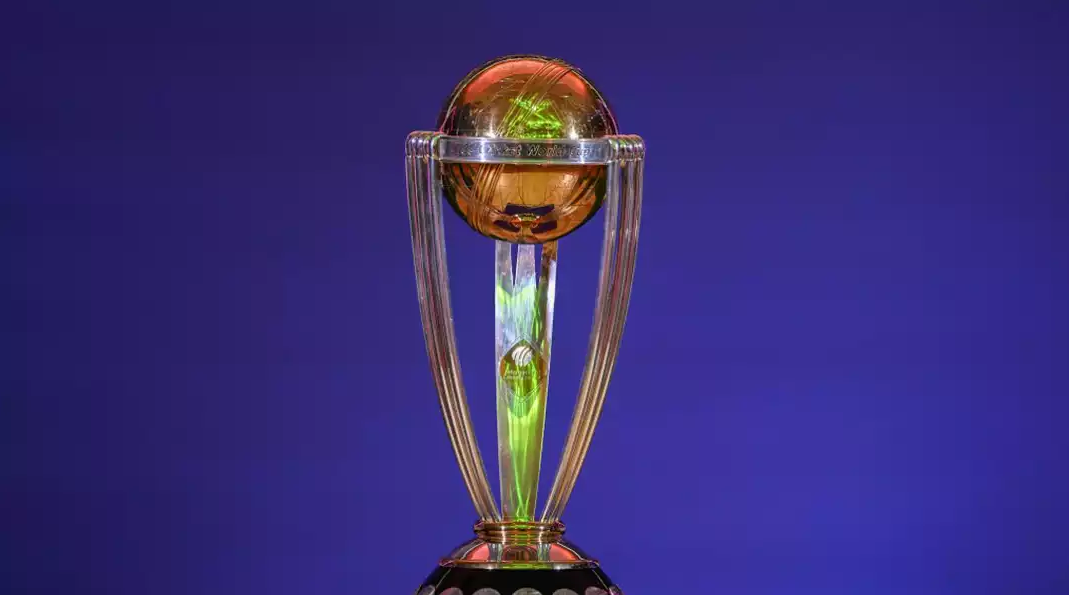
The journey to the ICC Men’s Cricket World Cup 2027 is starting to take shape, but so far, only two teams have officially locked in their spots. Co-hosts South Africa and Zimbabwe have secured their qualifications as they are ICC Full Members. Meanwhile, Namibia, another host, still has to fight for its place through the qualification pathway as an Associate nation. This tournament is set to introduce an exciting new 14-team format, featuring three stages of competition before the semi-finals, which means every match will carry more weight right from the start. The remaining spots for qualification will be determined through the ICC ODI rankings and a global qualifying tournament in the months ahead.
In addition to the two confirmed hosts, eight more teams will gain direct entry based on the ICC Men’s ODI Team Rankings as of the cut-off date on September 30, 2026. Currently, India, New Zealand, Australia, Pakistan, Sri Lanka, England, Afghanistan, and Bangladesh are in those direct-entry positions. The final four spots will be up for grabs in the 2027 World Cup Qualifier, which will include lower-ranked Full Members and top Associate nations.
ICC Men’s ODI World Cup 2027 Structure and Qualification Scenarios
The International Cricket Council has given the green light to a fresh tournament format during its annual Board meetings held in Edinburgh, following suggestions from the Chief Executives’ Committee. The Board, which included three representatives from Associate members, also approved the qualification pathway for the 2028 Men’s T20 World Cup and endorsed a new global competition for Associate nations leading up to that event.
As for the 2027 ODI World Cup, it will still feature 14 teams and a total of 60 matches, but with a new three-stage format before the knockout rounds kick in. The three lowest-ranked qualified teams, seeded 12th, 13th, and 14th, will first battle it out in the Super Series, a round-robin involving three teams. Only the winner will move on, while the other two teams will be sent packing after each playing two matches.
The Super Series champion will then join the other 11 qualified teams in the main event. These 12 teams will be divided into two groups of six, with each team playing five matches in the group stage. The top three teams from each group, along with the best fourth-placed team across both groups, will make it to the Super 7 stage. The remaining seven teams will engage in another round-robin, after which the top four will secure their spots in the semi-finals. The winners of those two knockout matches will then face off in the World Cup final, wrapping up a format that rewards consistent performance throughout the tournament rather than just in the final moments.