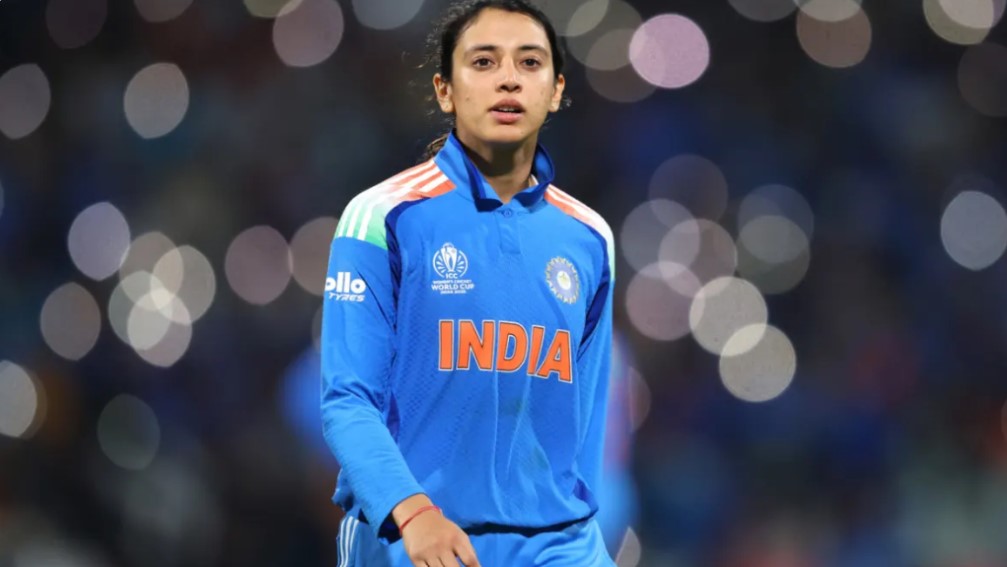
As the Indian women’s team prepares for the first T20I against Zimbabwe in Raipur on 16 October, newly appointed captain Smriti Mandhana has spoken openly about the responsibility she now carries and the collective hunger within the side. In her first major media interactions since taking over from she made it clear that full-time captaincy does not feel entirely new. “I have been the vice-captain for the last almost 10 years. So, I have been part of the leadership role and I wouldn’t say it is an extremely new thing. But for sure, it is something to look forward to and hopefully, I can do justice to the role,” she said.
Mandhana has repeatedly emphasised the need for a dressing room full of leaders rather than followers, a philosophy she has refined through years of vice-captaincy and two Women’s Premier League titles with Royal Challengers Bengaluru. India have got ODI World Cup success, yet Mandhana acknowledges the T20 format still demands sharper execution. “We have won the World Cup in the last one-and-a-half years, but there were a few things which we needed to work on in the T20 format especially,” she noted.
Smriti Mandhana looks to set New Standards as India build towards Women’s Champions Trophy
The upcoming six T20Is before the inaugural Women’s Champions Trophy in early 2027 will be a good platform to set standards. “We will look to set standards as an Indian team, how we approach the next three months leading up to the Champions Trophy,” she said.
Mandhana spoke about the fresh faces stepping up and refused to focus on weaknesses on day one of her captaincy. Young players such as Anushka Sharma, Niki Prasad and G Kamalini have already shown promise. Across batting, bowling and fielding, she believes the group is committed and aware of the marginal gains still required. Fielding, in particular, has improved a lot.
She also made it clear that captaincy will not alter her own game. Her coach told her at 15 to bat as if she were already the captain, taking full responsibility for the innings. That mindset has never left her. If the ball is in her zone, she will still attack; the team’s needs will continue to guide her decisions. The Zimbabwe series is a first bilateral meeting between the sides and offers a chance to play with freedom.