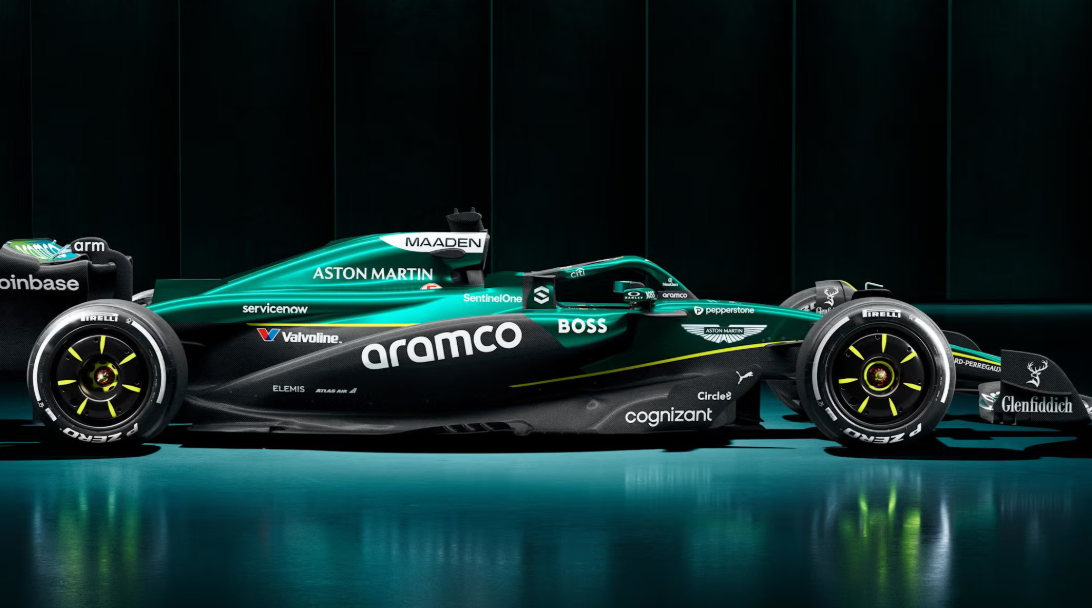
Honda is taking swift action to quell any concerns about its future in Formula 1, especially after a rocky start with its new partnership with Aston Martin. Koji Watanabe, the President of Honda Racing Corporation (HRC), has made it clear that the Japanese automaker is fully committed to F1, even though they find themselves near the back of the grid in 2026. After the excitement of Honda’s championship-winning days with Red Bull, the transition to Aston Martin has been fraught with challenges. Issues with reliability, underwhelming performance, and limited results have turned the first seven races into a tough uphill battle.
Nevertheless, Watanabe emphasized that “There is a shared understanding that improvement is necessary and at the same time, there is also a clear understanding that the project must be evaluated over the mid-to-long term period, not this year.”
The early-season struggles for Honda have primarily stemmed from battery-related issues. Frequent failures led to shortages of crucial components, limiting the track time for drivers Fernando Alonso and Lance Stroll. These problems also caused significant vibrations, raising alarms about potential nerve damage to the drivers’ hands. While Honda has mostly addressed the vibration issue, the repercussions of these setbacks have already taken a toll on performance and race preparations.
Honda’s 2026 Struggles with Turbo Hybrid V6 Engines
One of the most unexpected twists of the season has been Honda’s sharp drop-off after years of being a powerhouse in Formula 1 with their turbo hybrid V6 engines. They helped propel Max Verstappen to four straight world championships from 2021 to 2024 and kicked off 2026 with high hopes. However, Aston Martin has managed to snag just a single point in the first seven races, thanks to Fernando Alonso’s finish in the Monaco Grand Prix. Reliability issues have also plagued the team, with Alonso and Lance Stroll racking up a total of eight retirements between them so far. Honda’s internal combustion engine is now seen as the weakest in the field, lagging so far behind the competition that the FIA had to tweak the rules to give struggling manufacturers more chances to develop their engines if they fall behind by more than 10 percent. Watanabe noted that this downturn is a result of a mix of new regulations, a fresh team partnership, new fuel and lubricant suppliers, and delays in development following Honda’s earlier exit from F1.
Australian GP Exposed Honda’s Challenges
The season-opening Australian Grand Prix really highlighted the depth of Honda’s challenges. They only discovered significant vibration issues after their power unit was fitted into Aston Martin’s chassis during track testing, which was a surprise since these problems hadn’t shown up to the same extent on the dyno. Things escalated quickly, with vibrations becoming so severe that there were worries about potential nerve damage to the drivers’ hands. The lack of competitiveness was also evident in the performance stats; at the Spanish Grand Prix, Aston Martin was almost four seconds off the fastest Q1 time, showcasing just how big the gap was. As the team’s weaknesses became apparent in Melbourne, public scrutiny ramped up. However, Honda has stated that their collaboration with Aston Martin has been steadily improving since then. Thankfully, the vibration issue has mostly been sorted out, allowing Honda to shift their focus to regaining performance with planned upgrades later in the season.