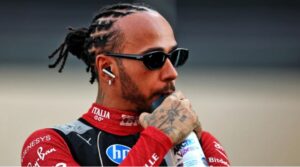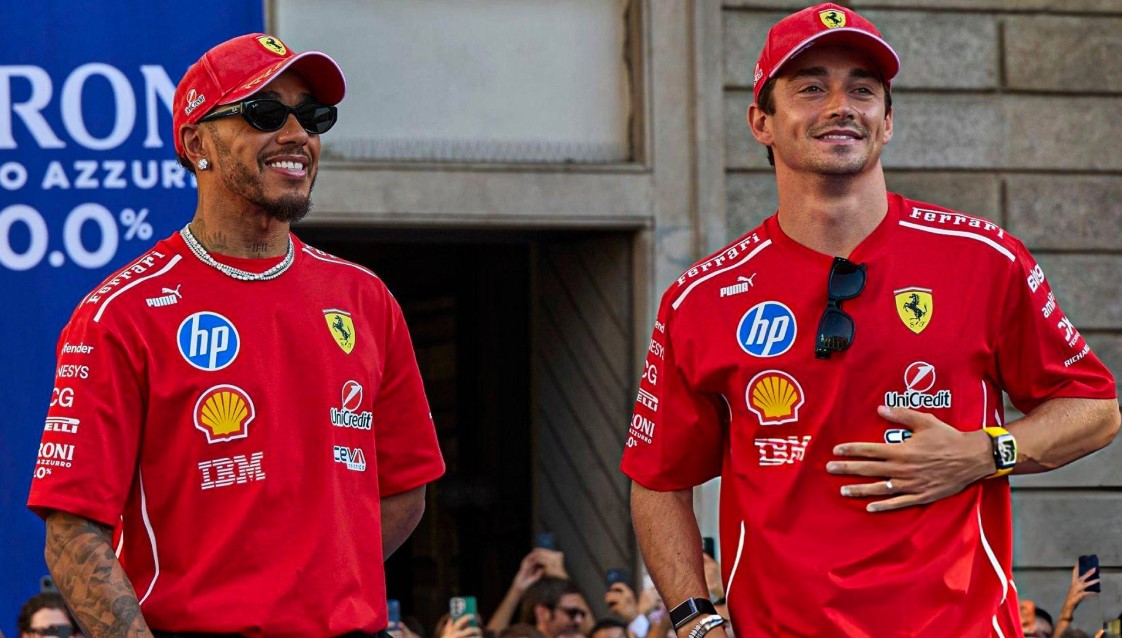
Ferrari’s 2026 season has delivered more than just mixed results on track. The Scuderia’s crash damage costs have climbed to approximately $2 million, according to recent reports circulating among Formula 1 followers. The bulk of that figure comes from Charles Leclerc’s incidents, estimated at around $1.888 million across multiple crashes. The costly sequence began in Miami where Leclerc clipped a wall late in the race.
Further damage followed in Monaco both in qualifying and the race and then another qualifying shunt in Barcelona, before the high-profile Monza accident. At the Italian Grand Prix, Leclerc lost control accelerating through the Parabolica, spun through the gravel, and slammed into the tyre barrier in a 60G impact that red-flagged the race on lap three. That single crash alone ranked as one of the most expensive of the season.
In the cost-cap era, every dollar spent on repairs is a dollar that cannot go toward performance upgrades. Ferrari operates under the $215 million budget limit that applies to most performance-related spending. With an intense development battle still raging across the grid, those repair bills hurt. Lance Stroll’s Monaco crash cost Aston Martin roughly $375,000 which is less than a fifth of Leclerc’s cumulative total. Lewis Hamilton has remained far cleaner, completing every racing lap of the season so far and contributing far less to the team’s repair ledger.
How F1’s Budget Cap Has Changed the Cost of Crashing
Formula 1’s budget cap has fundamentally changed how teams think about crashes. Every repair invoice comes out of the same pot that funds aerodynamic upgrades, mechanical improvements, and the endless search for lap time. In 2026 the cap sits at $215 million for most performance-related expenses. Crash damage counts against that figure.
Front wings alone run around $150,000 each; floors and diffusers can hit $200,000. Suspension components, sidepods, and bargeboards add further six-figure hits. A single heavy accident can wipe out the equivalent of several planned upgrade packages. This is why the Destructors Championship tracking estimated crash costs has become a reading for teams.
Drivers who pile up high damage totals force their squads into tougher choices. Red Bull, Alpine, and others have already felt the squeeze. Ferrari’s near-$2 million total, driven largely by Leclerc, sits uncomfortably high on that list. The timing matters too. Early-season crashes leave more of the year for the financial hit to compound. Late-season ones can freeze development when teams most need to respond to rivals.
Smaller teams feel the pain more acutely with the same $1 million bill representing a larger slice of their overall budget than it does for a big manufacturer operation. Drivers are under more pressure than ever to keep the car on the black stuff, not only for championship points but for the long-term health of the development programme.