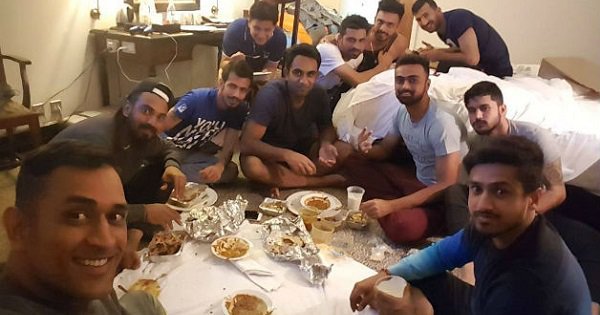
There are two times in a day when the play stops in Test cricket. The second stoppage is tea time, which is one of the most ancient customs of the game. It occurs after the second session of the match, usually around two hours after the lunch break and before the third session starts. For the players, it is an essential moment of respite. For the spectators, it is an ideal point in the narrative of the day’s events. During only 20 minutes, the teams rejuvenate, discuss strategy, and get ready for the concluding part of the day’s play.
Duration and Timing of the Tea Break
The tea break lasts for 20 minutes. On a standard Test day, it comes after the second session and before the final session. Since a day typically features six hours of play, tea is usually taken around four hours after the start. However, the exact clock time can shift if weather, bad light, or slow over rates interrupt play.
Also Read | Famous Cricket Families and Relatives
Official Rules on Tea Break Timing
The laws of cricket allow flexibility. Under the Marylebone Cricket Club (MCC) rules, umpires and both captains can move the tea interval if time has been lost due to rain, poor light, or other unusual conditions.
There is also a specific rule when an innings ends close to tea. If the innings finishes with 30 minutes or less remaining before the scheduled tea break, the interval is taken immediately. This break includes the standard 10-minute changeover between innings. The aim is simple: keep the day moving while ensuring both teams get a fair rest.
How Variations in Tea Break Timing Affect Teams
Tea can make all the difference in how the game progresses. It gives a batting team that’s under duress an opportunity to compose themselves. It allows the bowlers to rest after a tough spell. The captains and coaches will get an opportunity to evaluate the pitch and chalk out a strategy.
In some cases, the timing can make a difference. For example, if the tea interval comes just as the bowler is getting into the groove, it may affect his pace. Alternatively, for a batter who’s struggling with his form, the tea interval can come as a relief.
Tea Breaks in Day-Night Test Matches
Day-night Tests follow a different schedule. Instead of lunch and tea at traditional times, the main meal interval is called the dinner break. A later 20-minute break serves the same role as tea.
The purpose remains unchanged. Players rest, refuel, and adjust plans before the final session under floodlights. This is especially important because twilight and evening conditions often help fast bowlers, making strategy even more crucial.
Why Tea Break Remains a Unique Tradition
Of all the big sports out there, none is as strongly associated with food intervals as cricket. The tea break is an element of the English heritage of the sport. Where initially the practice was social, it has since become an important aspect of the sport itself.
The custom also contributes greatly to the Test cricket style. It separates the match into well-defined segments and allows for moments of reflection rather than reaction on the player’s part.
Conclusion
Cricket tea break is not just a time for sipping tea but rather a strategic break for 20 minutes before starting the final session of the game. Tea break provides players an opportunity to relax, rehydrate, and strategize. Even though tea break time may vary depending on weather conditions or situation during the game, its significance never changes. Tea break can sometimes become the quiet moment before the decisive session of the game.