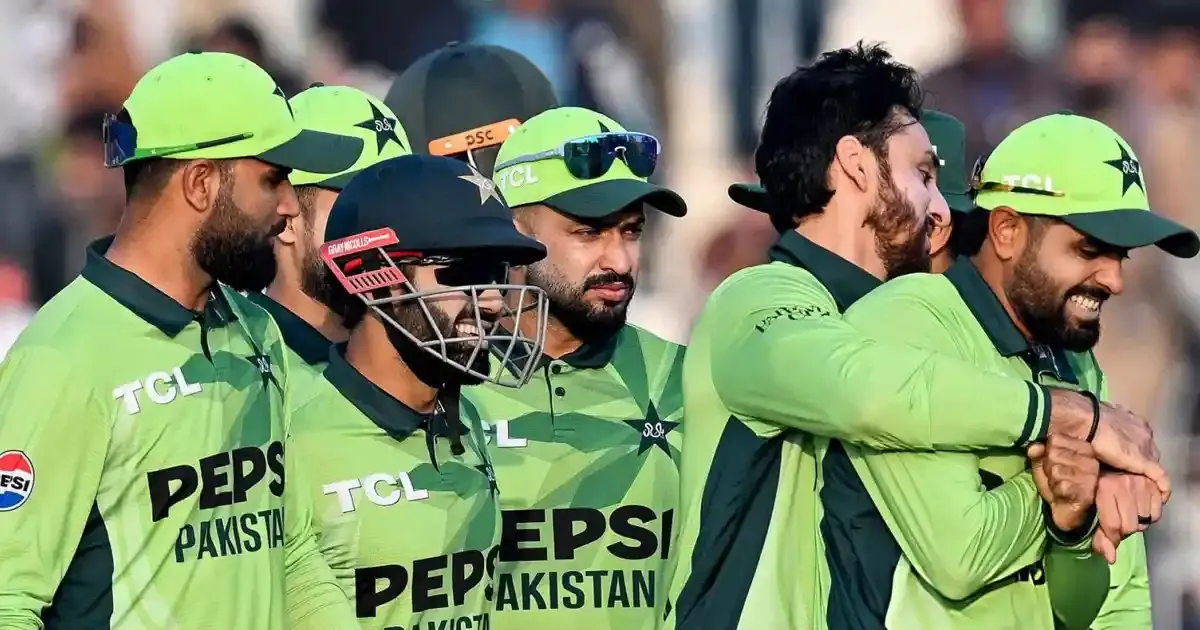
Pakistan cricket could face severe consequences if the Pakistan Cricket Board (PCB) officially confirms its decision to boycott the high-profile T20 World Cup match against India. Such a step would place the PCB on a collision course with the International Cricket Council (ICC), which strictly prohibits political interference in the sport.
The ICC’s regulations clearly state that member boards must ensure teams participate in scheduled fixtures unless exceptional circumstances arise, such as security risks or force majeure situations. A government-driven refusal to play, if formally acknowledged by the PCB, would likely be classified as external interference—one of the most serious violations under ICC governance norms.
If disciplinary proceedings are initiated, Pakistan could face penalties ranging from heavy fines to full suspension from ICC tournaments. A suspension would mean exclusion from the ongoing T20 World Cup and future global events, including ICC World Cups and Champions Trophy tournaments. Such a scenario would also freeze ICC development grants and financial distributions, dealing a significant blow to PCB’s already fragile finances.
Read More : Royal Challengers Bangalore WPL Records and Stats
The fallout would extend well beyond the boardroom. Pakistan’s cricketers would lose valuable opportunities to compete at the highest level, impacting rankings, career progression, and endorsement potential. Young and emerging players would be the worst affected, as ICC events often serve as a global platform for recognition and long-term contracts in domestic and international leagues.
There are also major commercial implications. The India–Pakistan fixture is widely regarded as the most valuable match in world cricket, driving massive broadcast viewership and sponsorship revenues. A boycott would disrupt tournament economics and could damage PCB’s long-standing relationships with broadcasters, sponsors, and commercial partners worldwide.
From a diplomatic standpoint, Pakistan cricket risks renewed isolation. After years of effort to re-establish itself as a reliable participant in international cricket, an official boycott could reverse much of that progress. Hosting rights, future ICC event allocations, and Pakistan’s influence within global cricket administration could all be jeopardized.
The ICC has previously demonstrated that it will act decisively to protect the integrity of its competitions. If the PCB formally confirms non-participation, the governing body may be compelled to intervene, regardless of the political sensitivities involved.
Ultimately, while tensions off the field may influence public discourse, an official boycott could push Pakistan cricket into a period of uncertainty—one where the cost of missing a single match far outweighs any short-term statement made outside the game.