Ever since news struck that Cadillac would form the grid as the sport’s brand new Formula 1 team for 2026, there have been countless instances citing both anticipation as well as nervousness among the motorsport fans. Of course, a brand new team debuting in the top flight of Motorsport does have its pluses especially since it brings together two veteran drivers back on the racing grid. Valtteri Bottas and Sergio Perez.
But there are also blanketed feelings about whether the new team would simply play catch up to the top tier performers or even put up a strong fight and whilst we are still at some distance before any of the conjectures or notions can even be substantiated, one of the respected voices of the sport has had its say on Cadillac’s car for the soon-to-begin season.
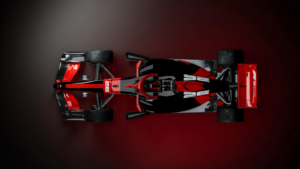
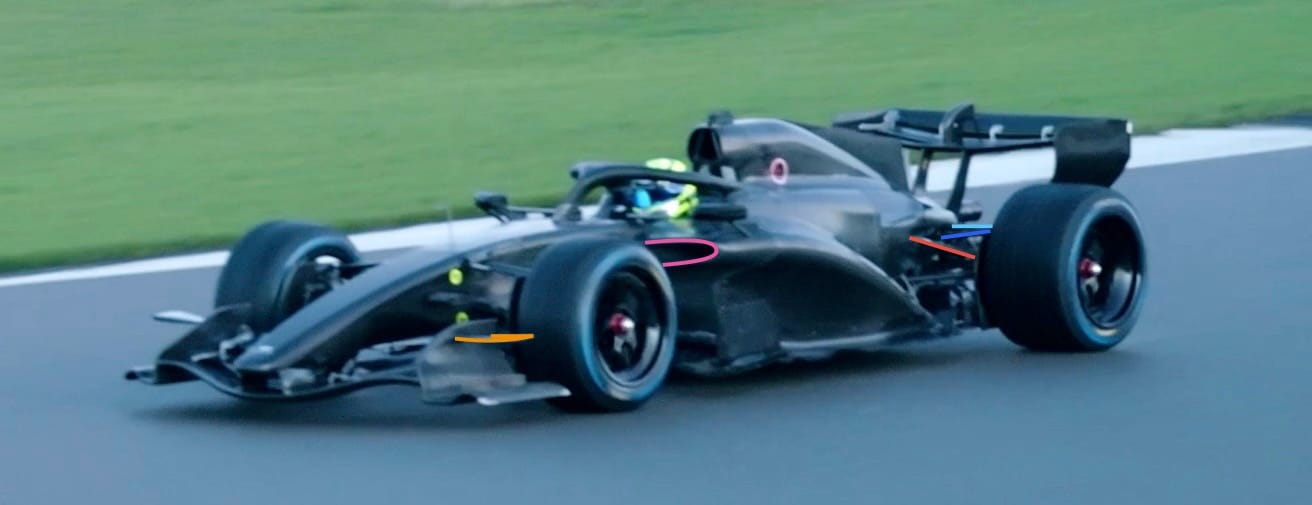
Former Formula 1 technical director Gary Anderson has given his verdict on the latest new Formula 1 car, and his view is mostly positive but realistic. Anderson, who now works as an expert analyst, believes the car shows good thinking, especially for a team that is still early in its development journey.
According to Anderson, the overall design looks sensible rather than extreme. He likes the fact that the engineers have focused on solid fundamentals instead of trying risky or complicated ideas straight away. This approach should help the team understand the car better and improve it over time.
One area Anderson highlighted was the front suspension. He feels the design helps lower the car’s centre of gravity, which can improve handling and stability. He also noted that the airflow around the front wing and sidepods looks clean, which is important for aerodynamic performance.
Also Read | Lewis Hamilton to get new race engineer as Riccardo Adami moves aside
However, Anderson was careful not to be overly excited. He pointed out that some design choices could create challenges once the car is pushed harder on track. He explained that what looks good in early tests does not always translate into strong race performance.
To summarise, Gary Anderson’s verdict is that the car is a promising starting point. It may not be a front-runner immediately, but it appears well-designed and capable of steady improvement. The true test, he says, will come once the car competes regularly and develops over the season.