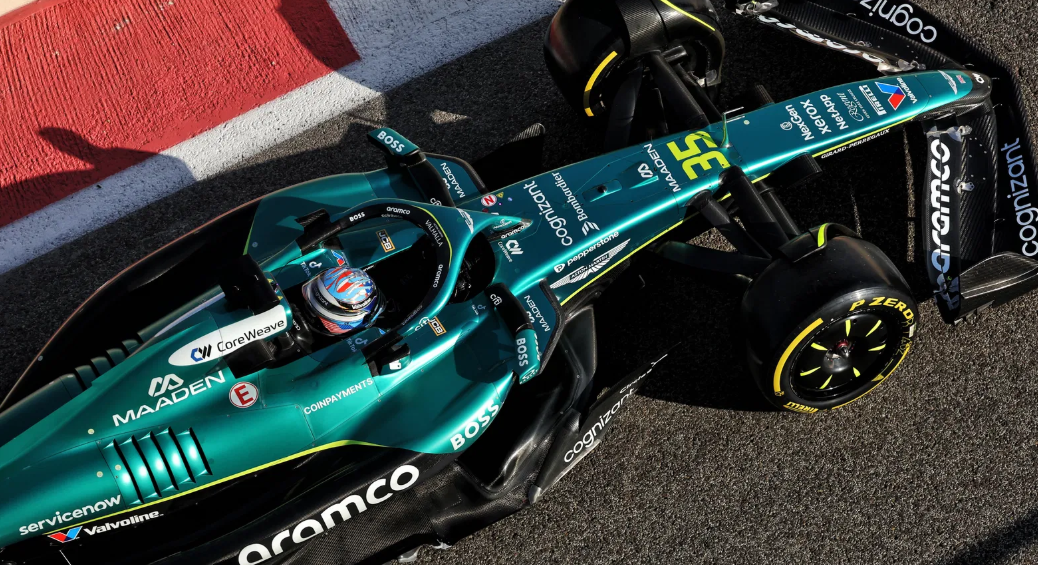
After the 2025 Formula 1 season finished at the Yas Marina Circuit in Abu Dhabi, all ten teams stayed on for a post-season test to work on Pirelli’s 2026 tyres and gather data ahead of major rule changes coming next year. This test is not about racing points, but about preparing for the future of F1.
In all, no fewer than 25 drivers took part in the pre-2026 tyre testing at the spectacular Yes Marina track. In so doing, one saw F1 mixing experienced racers with rising young talents, which when it happens, is an interesting sight to see. Meanwhile, 2025 FIA F1 World Champion Lando Norris, McLaren’s pride and hopefully not reviled anymore by Oscar Pastri fanbase, drove for McLaren alongside his incredibly talented McLaren teammate. That said, even McLaren’s Mexican talent currently competing in IndyCar Pato O’Ward got track time.
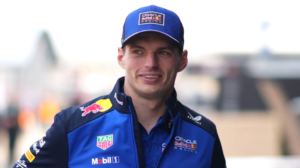
Moving on, Mercedes ran Frederik Vesti and Kimi Antonelli, the latter who secured 2 incredible podiums in a memorable 2025 season were testing the tyres at the famed UAE track. Having said that, Red Bull featured Isack Hadjar with reserve Ayumu Iwasa. Aston Martin’s Jak Crawford topped the test times, with Paul Aron (Alpine) and Luke Browning (Williams) also impressing. Other drivers included Lewis Hamilton, Charles Leclerc, Alex Albon, Liam Lawson, Ryo Hirakawa, Gabriel Bortoleto, Nico Hülkenberg, Pierre Gasly, and Kush Maini. Notably, Max Verstappen and Fernando Alonso chose not to take part in this session.
Also Read | What can be expected at the Abu Dhabi GP now that McLaren have become Lando Norris
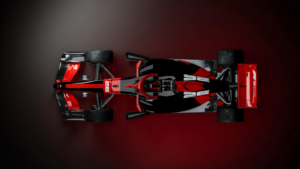
Teams used a mix of current cars and “mule” vehicles — test cars adapted to mimic the lower downforce and new tyre fitment expected in 2026. This helped engineers understand how the new narrower, lighter tyre compounds will perform on next year’s designs and gave teams real-world feedback on grip, wear and handling.
Understanding tyre behaviour now means teams can start 2026 with better data, allowing them to develop faster, more reliable cars and make smarter strategy decisions. This preparation will be key as F1 enters a new technical era, with changes designed to improve racing and competition throughout the grid.