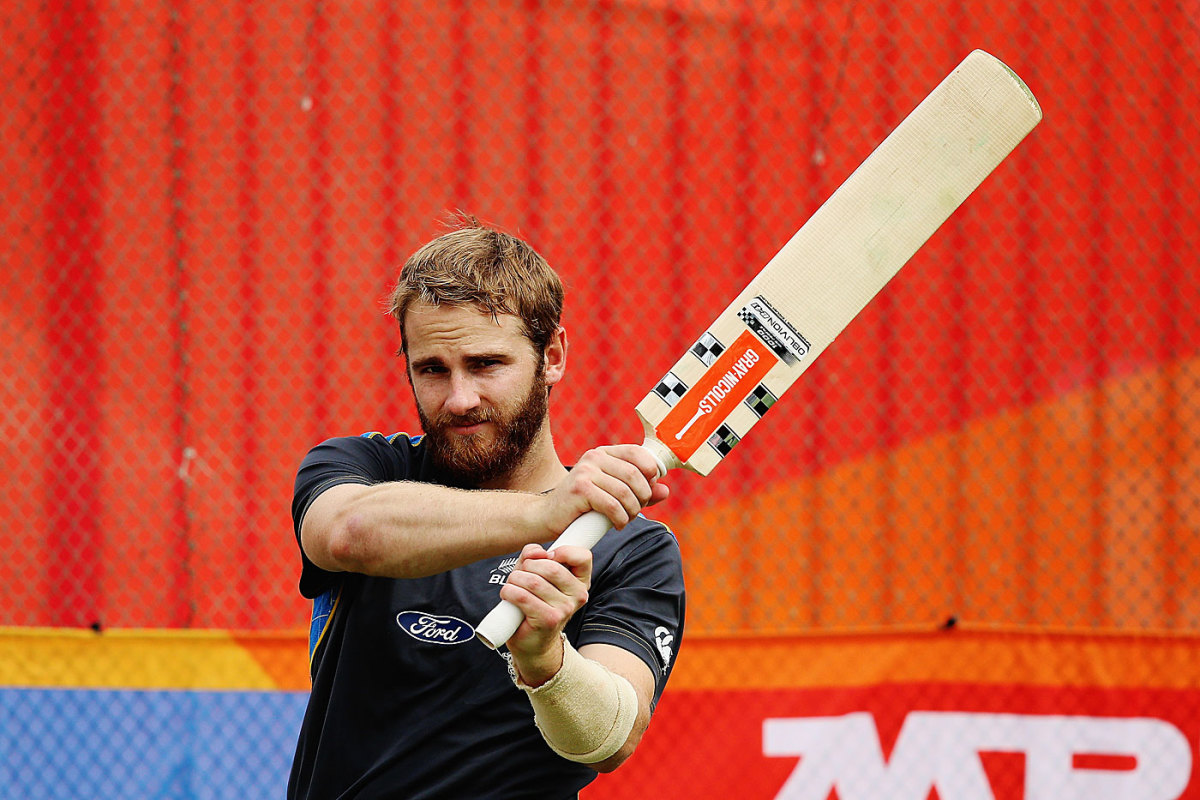
In his recent appearance on the Stick to Cricket podcast, New Zealand batting great Kane Williamson offered a revealing insight into the bowlers who tested him most across a distinguished career. When he was asked to name the toughest bowler he faced, Williamson first pointed to the express pace of Dale Steyn before going to a less-celebrated name that left a lasting impression.
“He might not get mentioned but Vernon Philander was. Horrible,” Williamson said. He explained that the former South Africa pacer presented a unique set of problems for right-handers. Philander’s ability to seam the ball both ways off a probing length, combined with relentless accuracy, made him a constant threat. Williamson noted that while Philander was less effective against left-handers but against right-handers he was a brilliant bowler.
The comment came during a conversation in which Williamson reflected on his international career, which ended in June 2026 after 110 Tests, 9515 runs and 33 centuries. He spoke about the 2019 World Cup final, the Fab Four era alongside Virat Kohli, Joe Root and Steve Smith, and the demands of captaincy.
Why Vernon Philander troubled Kane Williamson more than other fast bowlers
Vernon Philander, who took 224 Test wickets at an average of 22.32, was a part of a formidable South African attack with Steyn and Morne Morkel. His method was never about raw speed but instead he relied on late movement, tight lines and the capacity to exploit any assistance from the surface. Williamson’s average against him was below 30, showing the difficulty the New Zealander found in neutralising that relentless pressure.
Also Read | Virat Kohli intervenes as Gurnoor Brar clashes with Tim Seifert, video goes viral
The podcast exchange showed the respect Williamson has long shown for skilled seam bowling. While Steyn’s pace and hostility created memorable physical challenges including one delivery that cracked Williamson’s abdominal protector but Philander’s swing proved equally, if not more over sustained periods. The former South African pacer never generated the same number of dismissals as some of others, yet those who faced him regularly, including one of the finest technicians of the modern era, recognised the quality.