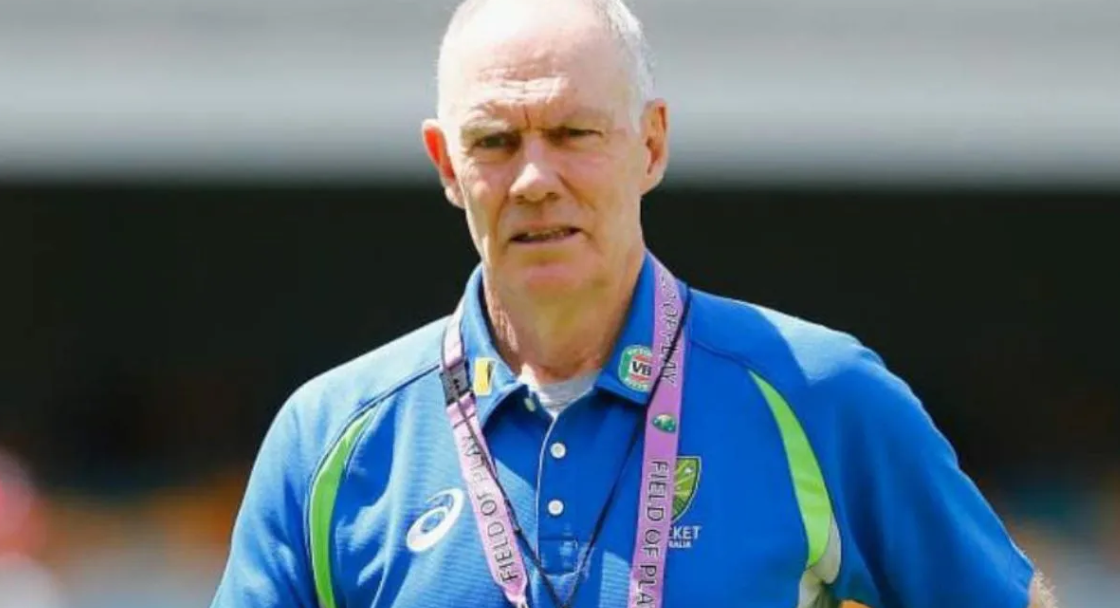
Former Australia captain and ex-India head coach Greg Chappell has sparked a significant debate by suggesting that cricketers shouldn’t be seen as society’s moral compass. Chappell, who played 87 Tests and 74 One-Day Internationals for Australia, emphasized that players join the sport to compete and entertain, not to serve as paragons of virtue. His remarks come in light of the recent nightclub incident involving the ECB, Gus Atkinson, and Ben Stokes. In his column for ESPNcricinfo, Chappell pointed out that cricketers are just regular people with their own imperfections.
He stated regarding the morals of cricketers, “A cricketer’s contract is about performing on the field – not a promise of abstinence, sobriety, and constant politeness. When we elevate them to a moral high ground, we set them up for failure, holding them to standards that the average person could never meet.”
Chappell also raised concerns about why cricket authorities often intervene in situations that don’t involve any legal issues. He argued that cricket boards, chief executives, and integrity units aren’t courts and shouldn’t judge players based on their private lives or late-night outings if no laws are being broken. His comments carry extra significance considering his own coaching stint with India from 2005 to 2007, a period marked by controversies surrounding discipline, team culture, and public scrutiny.
What happened in Ben Stokes’ nightclub incident?
The conversation really picked up steam after the drama surrounding England’s captain Ben Stokes and fast bowler Gus Atkinson, which followed England’s first Test victory over New Zealand. After a night of celebrations at Lord’s, the duo stayed out past the team’s midnight curfew and ended up at the Rex Rooms nightclub in Chelsea. According to the ECB’s investigation, things took a turn around 1 a.m. when an altercation occurred involving Saracens academy player Totoa Auvaa. The board determined that Atkinson was the target of two unprovoked attacks and didn’t fight back, while Stokes neither saw nor got involved in the incident. Fortunately, no police action was taken.
That said, both Stokes and Atkinson were found to have broken team rules by staying out late. The ECB responded by issuing written conduct warnings and suspending them for one Test match. Later reports indicated that this controversy briefly sparked doubts about Stokes’ future as captain, but those worries faded once the investigation cleared him of any involvement in the violence. Joe Root stepped in to lead England during Stokes’ absence before the all-rounder made his comeback for the third Test.
Using this incident as a case in point, Chappell suggested that sports organizations should prioritize performance over policing personal behavior that doesn’t violate the law.